LIFTNODE
INTRODUCTION
This project dedicates to the development of an EdgeAI-powered MCU level IoT node for future-oriented applications, focusing on infrastructure construction and monitoring.
Design Diagrams
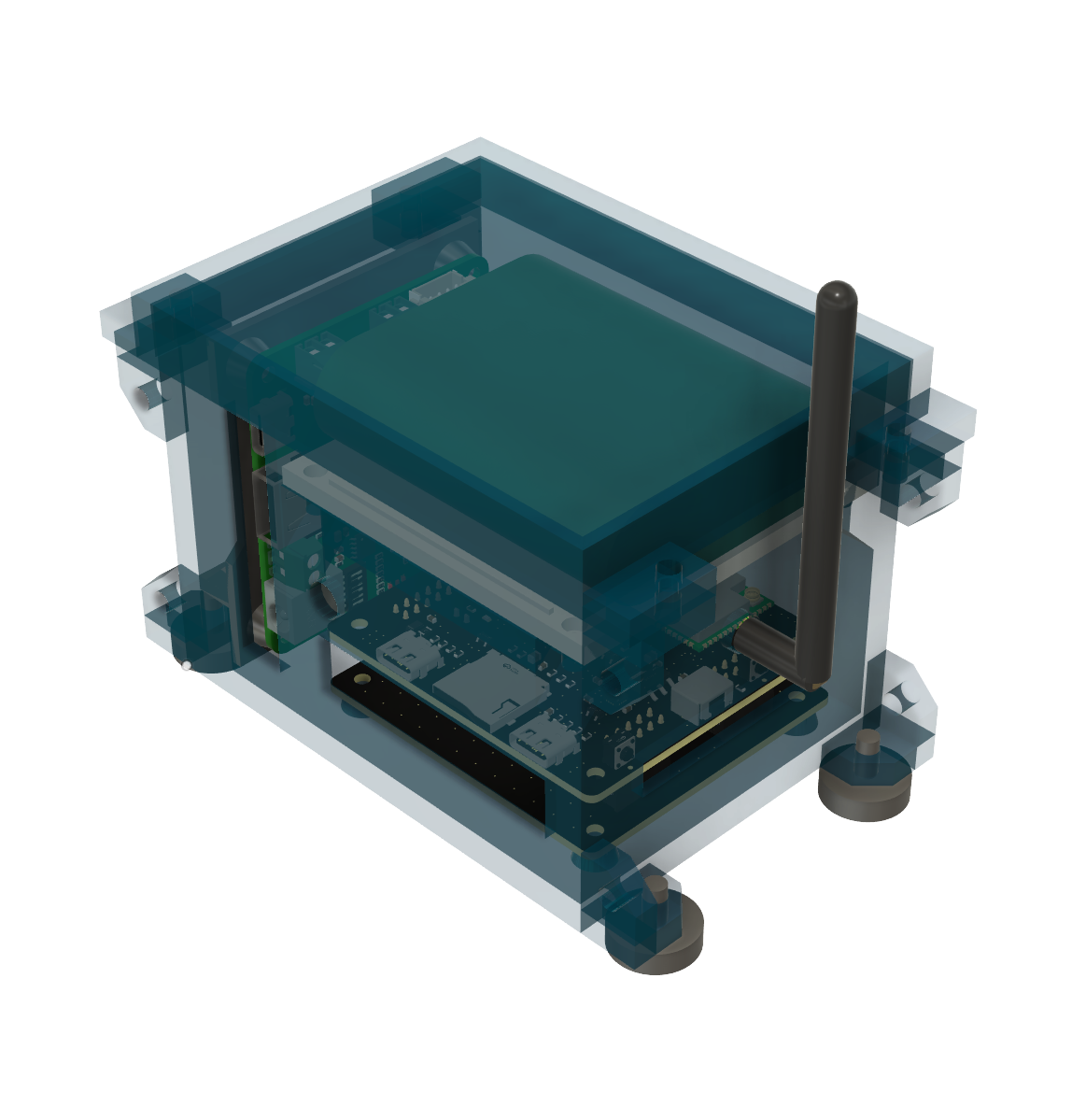 Node Overview - Perspective 1
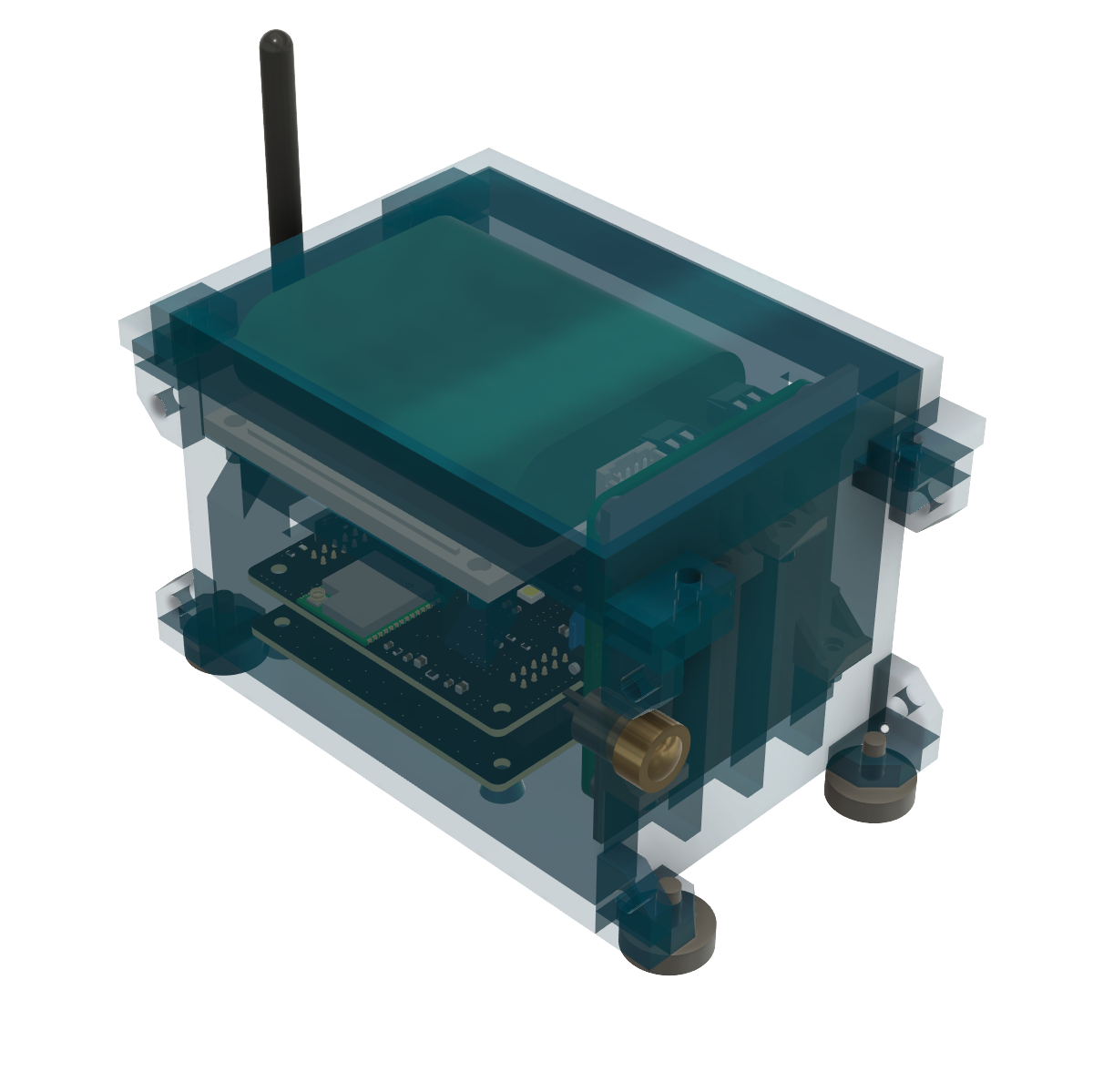 Node Overview - Perspective 2
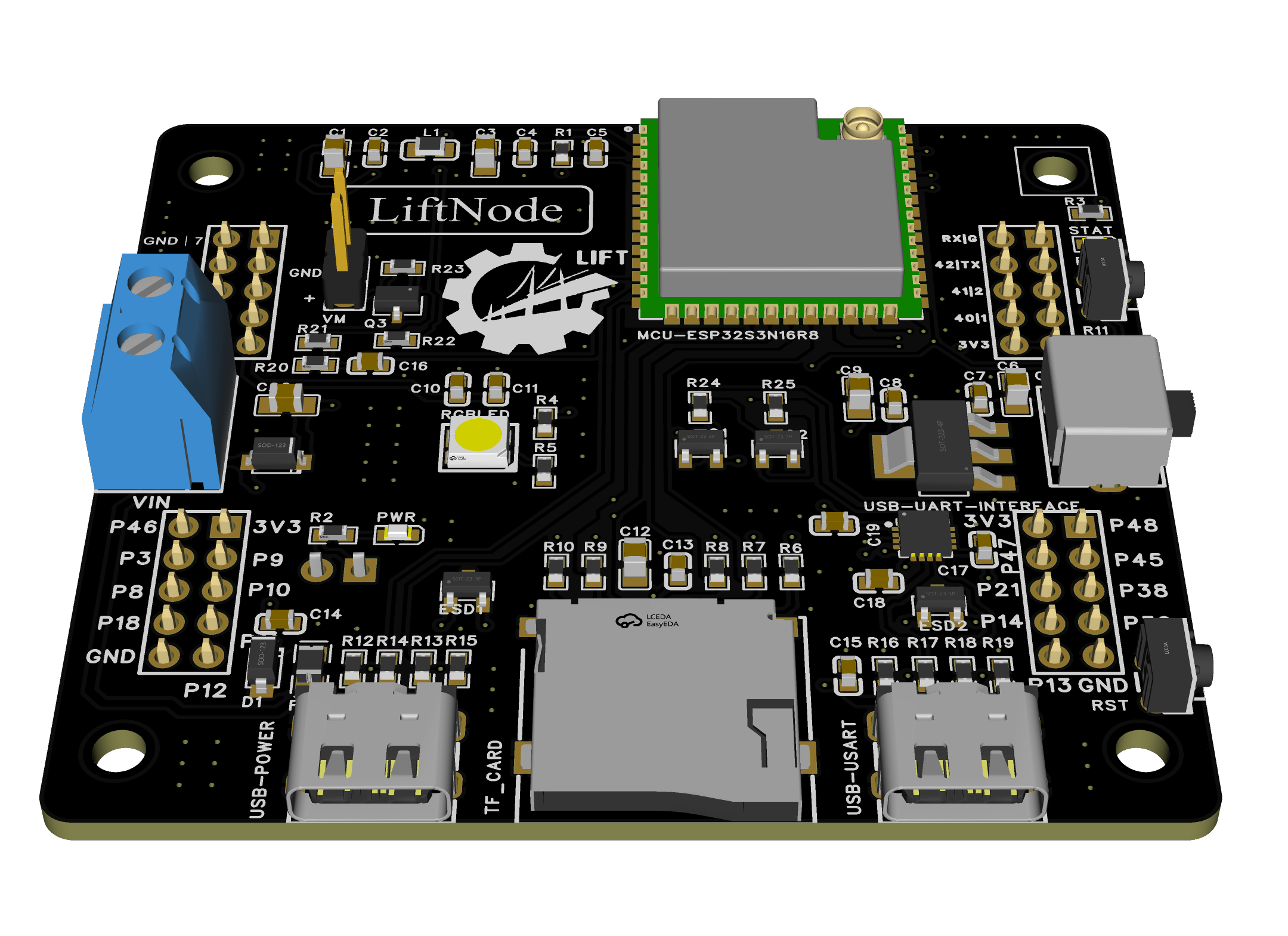 Main Control Board Design
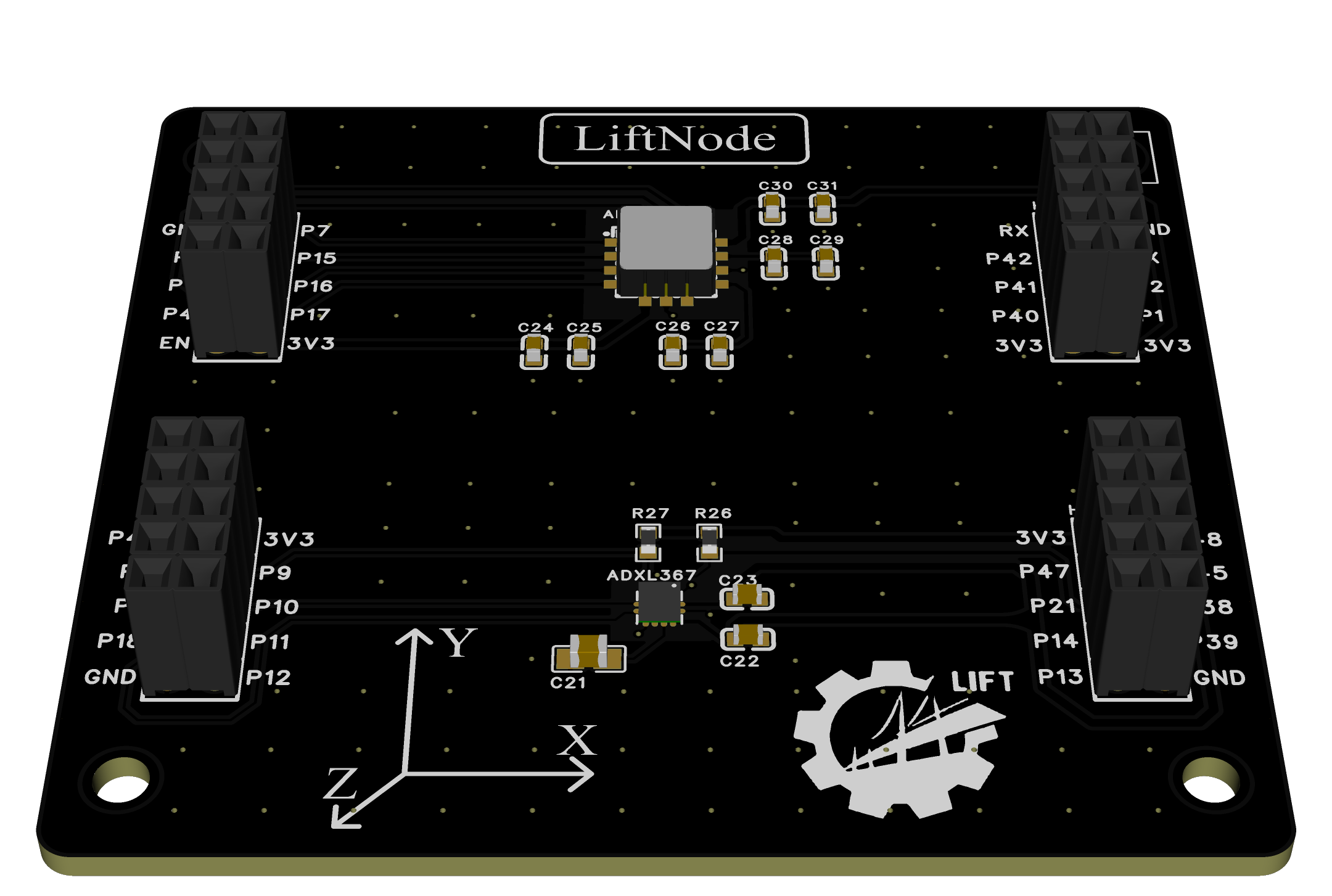 Extension Board Design
Physical Photos
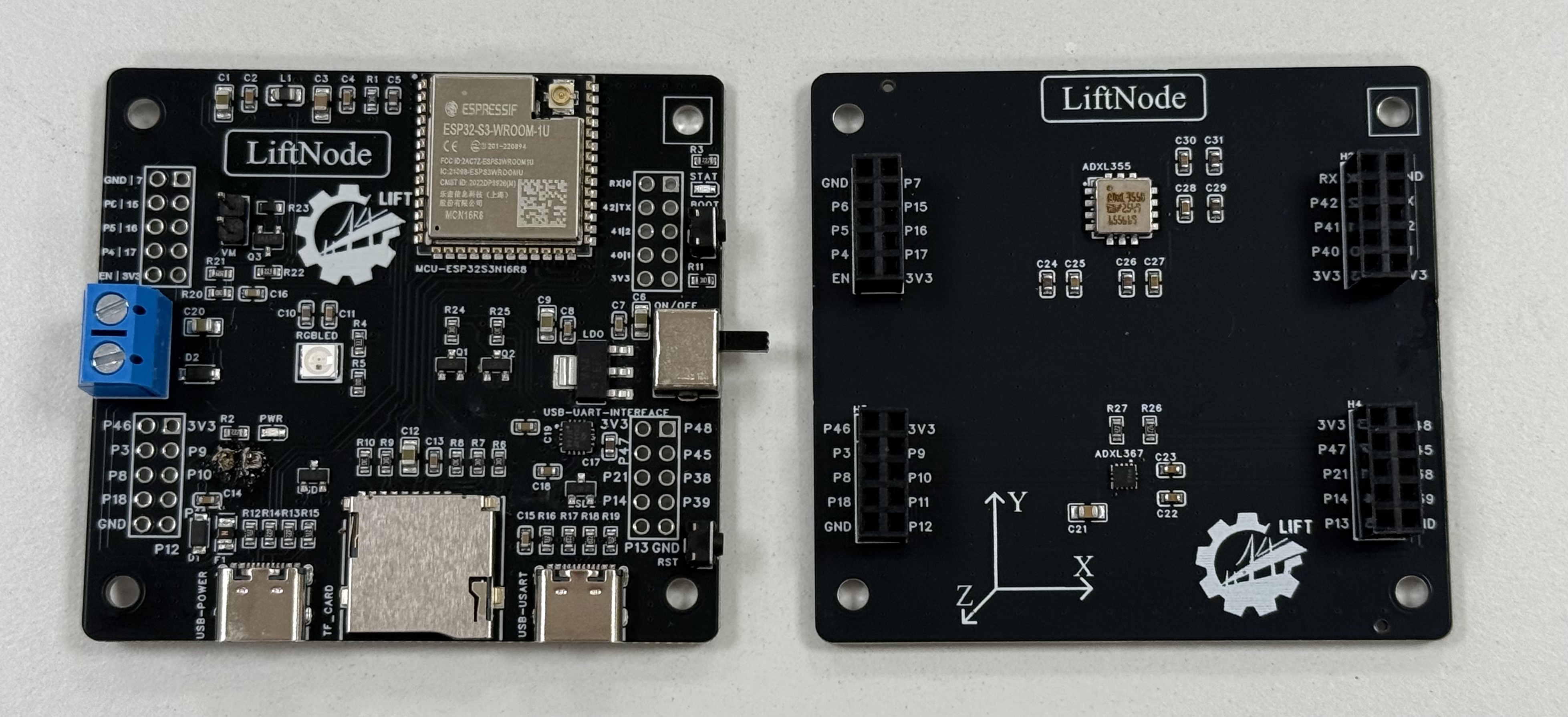 Physical Photo of PCB
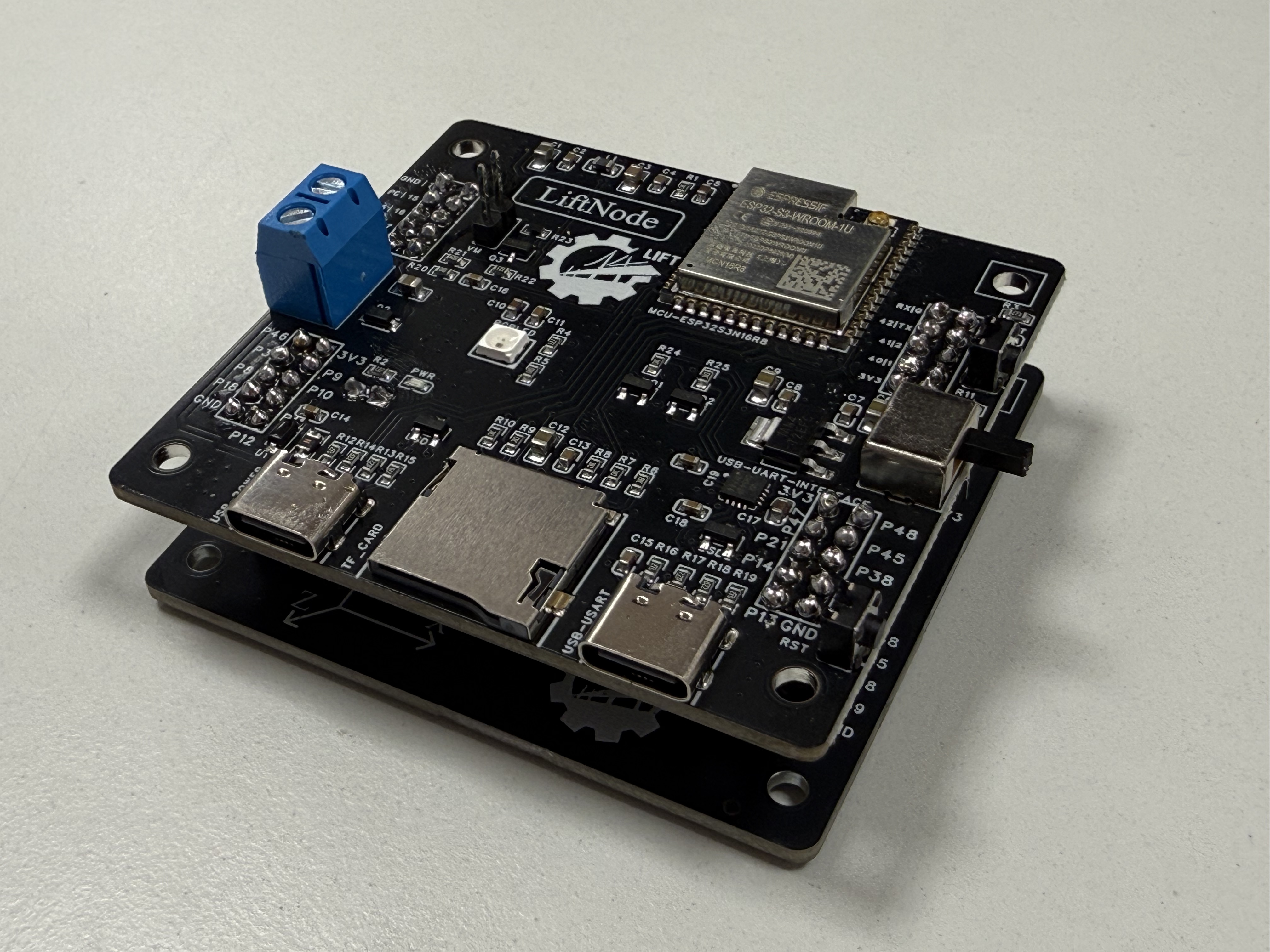 Stacked PCB Photo
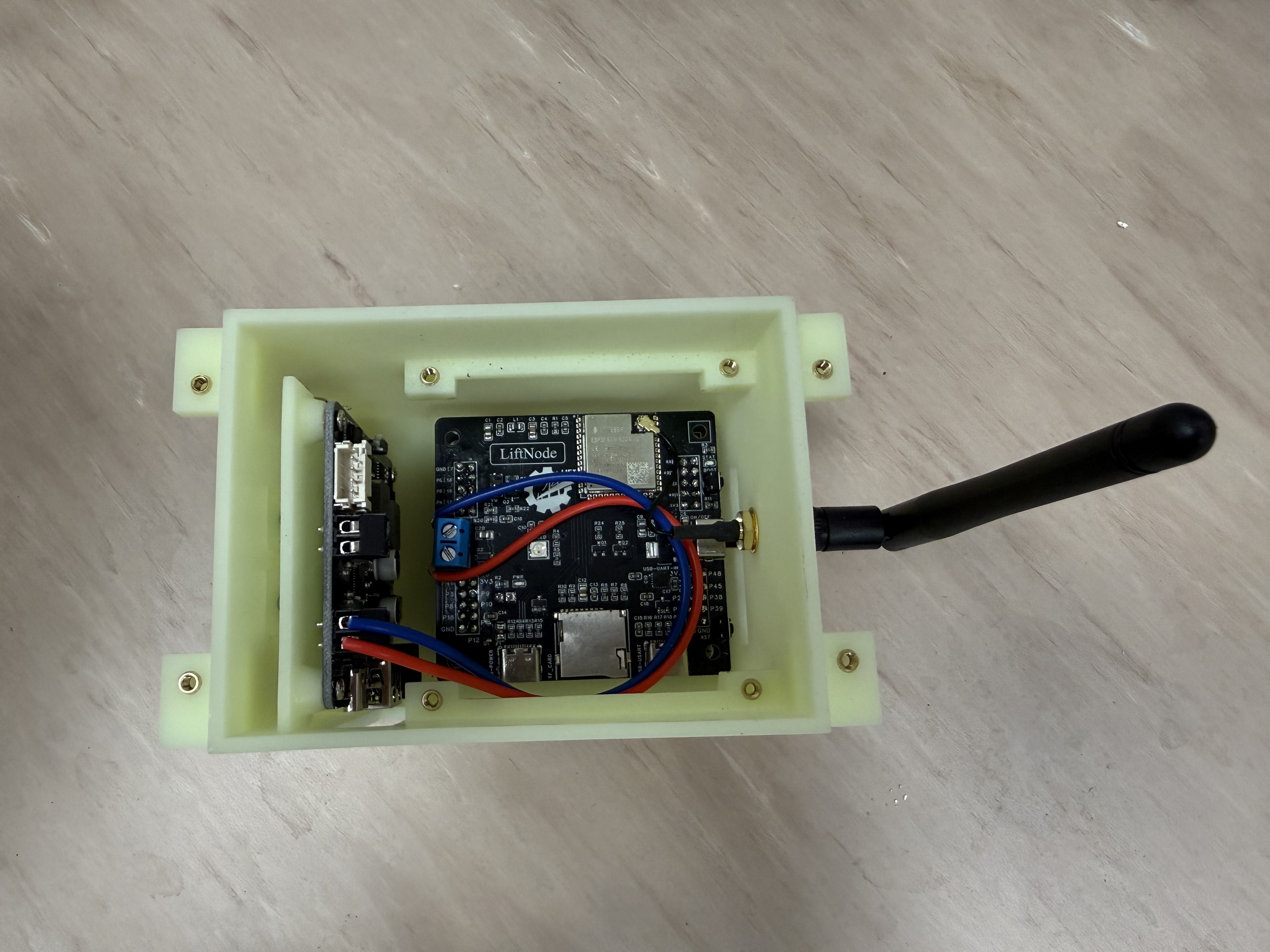 Inside Node Physical Photo
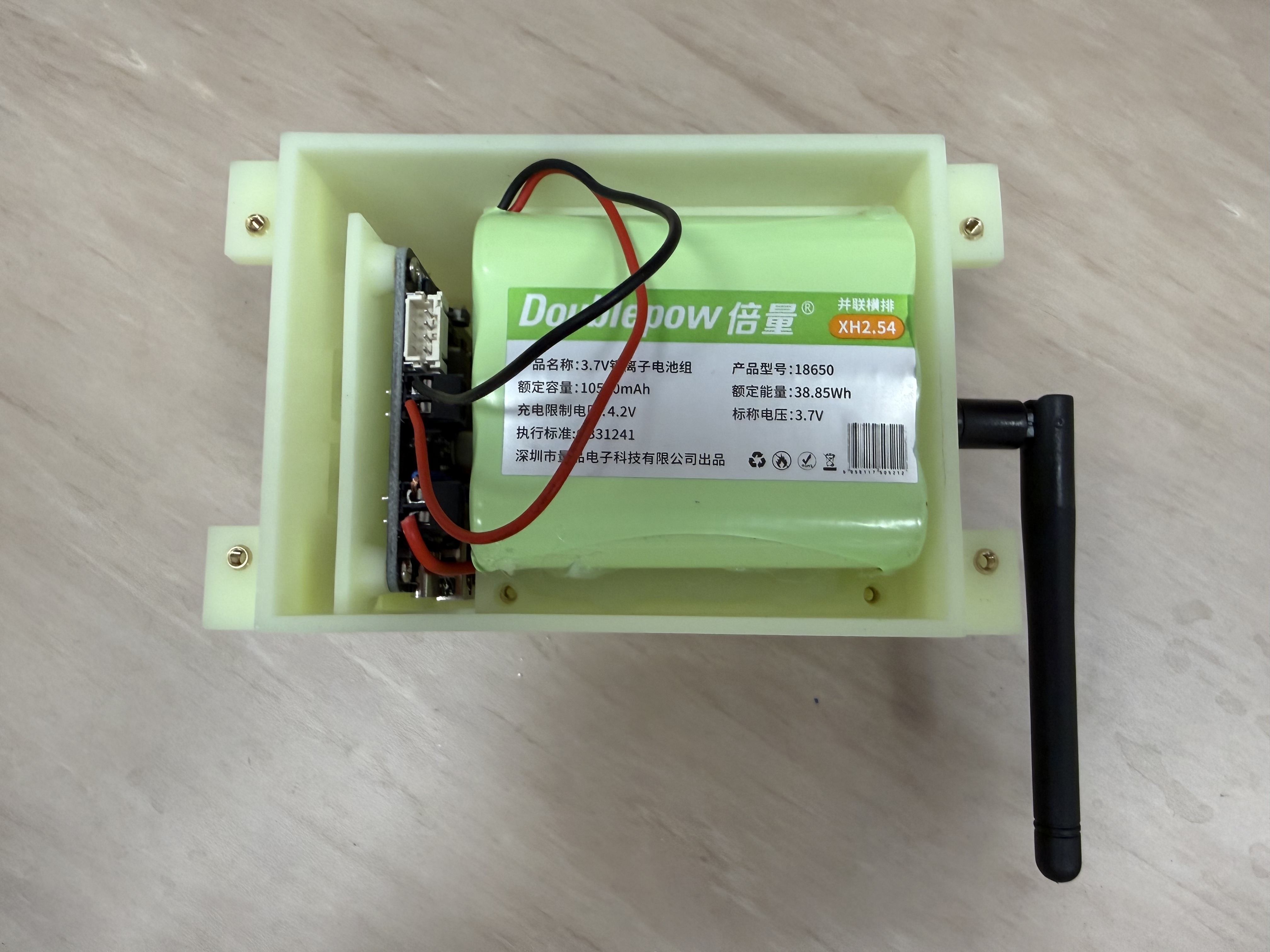 Node Battery Physical Photo
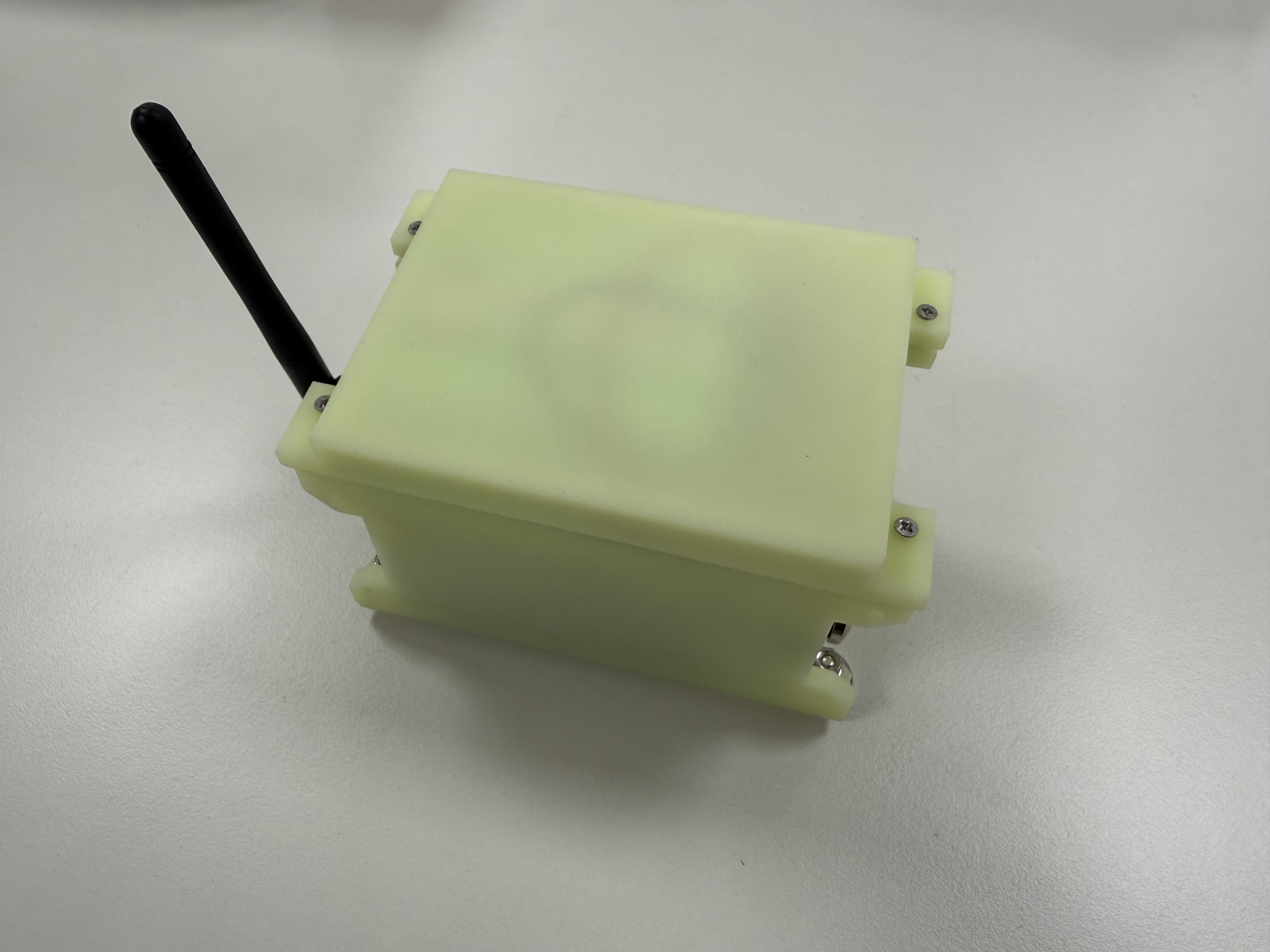 Node Appearance Physical Photo
ROADMAP
Hardware Architecture
From an architectural perspective, an AIoT node can be divided into the following main subsystems:
- Main Control Module: Responsible for control and coordination
- Perception Module: Responsible for environmental perception and data collection
- Communication Module: Responsible for data transmission and network connection
- Execution Module: Responsible for executing specific tasks and operations
- Power Module: Responsible for providing stable power supply to each module
Software Architecture
From a software architecture perspective, an AIoT node can be divided into the following main layers:
- Hardware Layer: Various physical hardware components
- Driver Layer: Hardware drivers
- Middleware: Provides common functions and services
- Application Layer: Specific applications and services
PROJECT CONTENT
Hardware Design
The hardware part includes:
- System design
- Component selection
- Schematic design
- PCB design
- Mechanical design (enclosure, structural parts, etc.)
Software Design
The software part includes:
- ESP32 simple tutorial
- Initialization
- Core functions
- Peripheral functions, etc.
Wireless Sensor Network Functionality
Development of wireless sensor network functionality
DEMO
Sensor Streaming Demo
Sensor Synchronization Demo